


This month, explore how collaborative robotics and phenomenon-based learning are transforming classrooms. Discover how one district is achieving competitive success and sustainability with a “Lean” approach and get a sneak peek at new VEX AIR resources and VEX AIM activities.
Jump to a section to read:
- Beyond the Code: When Systems Thinking is the Real Lesson
- From Watching Science to Doing Science
- The Lean Robotics Classroom: Efficient & Effective
- VEX AIM Activity: Soccer Practice
- VEX AIM Activity: Send and Receive
Beyond the Code: When Systems Thinking is the Real Lesson
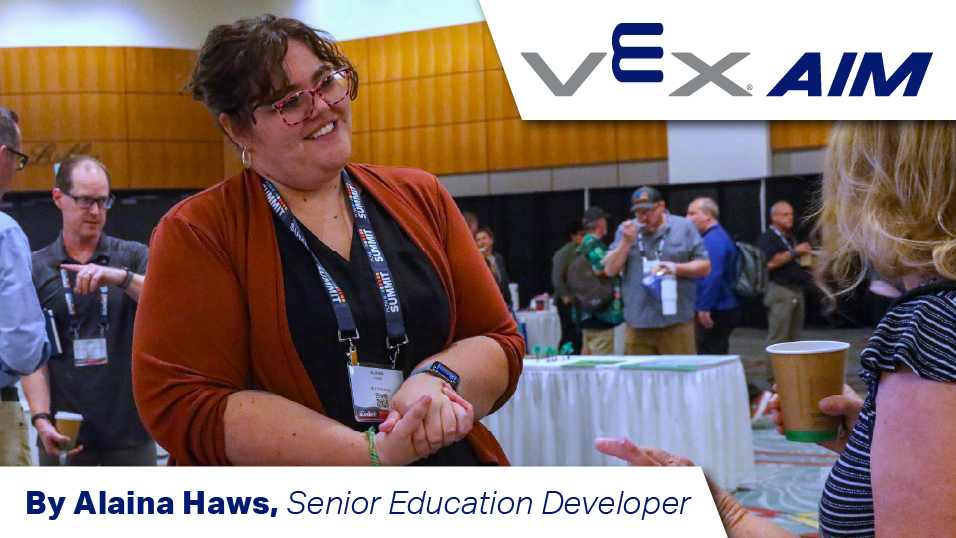
When robots “talk,” students stop working in silos and start thinking like system designers. A simple messaging challenge—assign roles, agree on message rules, test, and retry—turns coding time into collaboration time. Students see dependencies, handle errors, and learn how a change in one part affects the entire system.
This VEX PD+ Insights article provides an easy way to get started, along with quick classroom prompts that you can run with VEX AIM and VEXcode AIM.
VEX PD+ Insights are always free and shareable.
Read the VEX PD+ Insights article
Explore More: Extend the Learning
This approach connects directly with some additional articles from VEX PD+:
- The Value of Drive Mode in AIM: Laying a Foundation for Coding Success
- Using Robot-to-Robot Messaging with VEX AIM
Share this on social media:
From Watching Science to Doing Science
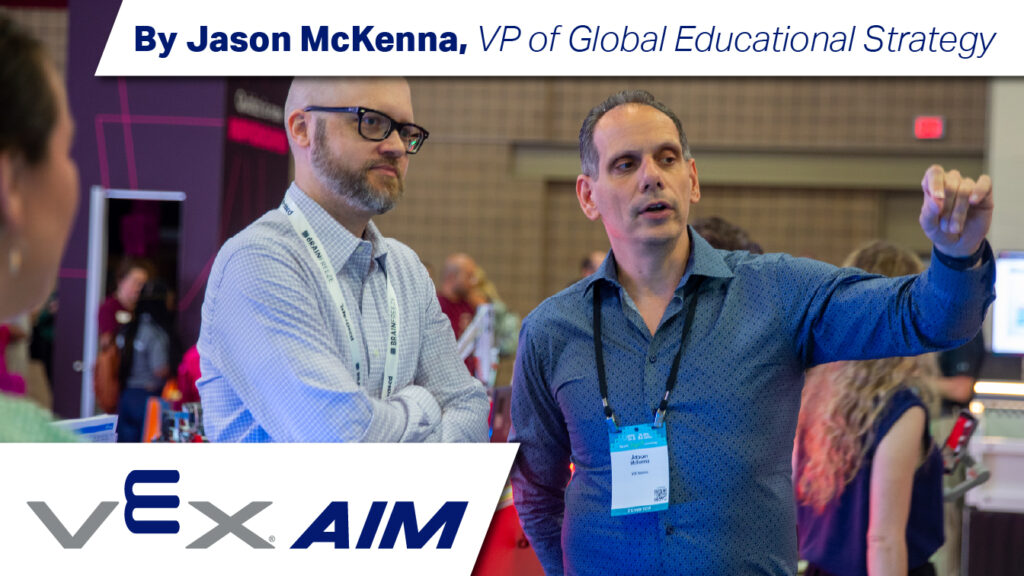
When a robot accelerates across the floor, the lesson isn’t about memorizing the laws of motion. It’s about asking “why?” and “how?” This shift from finding answers to investigating questions is the core of phenomenon-based learning.
A simple observation, such as a robot moving or a sensor detecting light, turns students into investigators. They use sensors to collect real data, test their ideas, and build their own explanations. This “sensemaking” approach transforms abstract concepts into concrete tools to solve tangible problems.
This VEX PD+ Insights article explores how, on platforms like VEX AIM, you can use inquiry to ground science and engineering in observable phenomena, empowering students to think, solve problems, and make sense of the world around them.
VEX PD+ Insights are always free and shareable.
Read the VEX PD+ Insights article
Explore More: Extend the Learning
This approach connects directly with some additional articles from VEX PD+ Insights:
- The Value of Drive Mode in AIM: Laying a Foundation for Coding Success
- Robots That Communicate, Students Who Collaborate
- Research: Supporting Active Learning with IQ & V5 STEM Labs
Share this on social media:
The Lean Robotics Classroom: Efficient & Effective
By: Connor Bourque
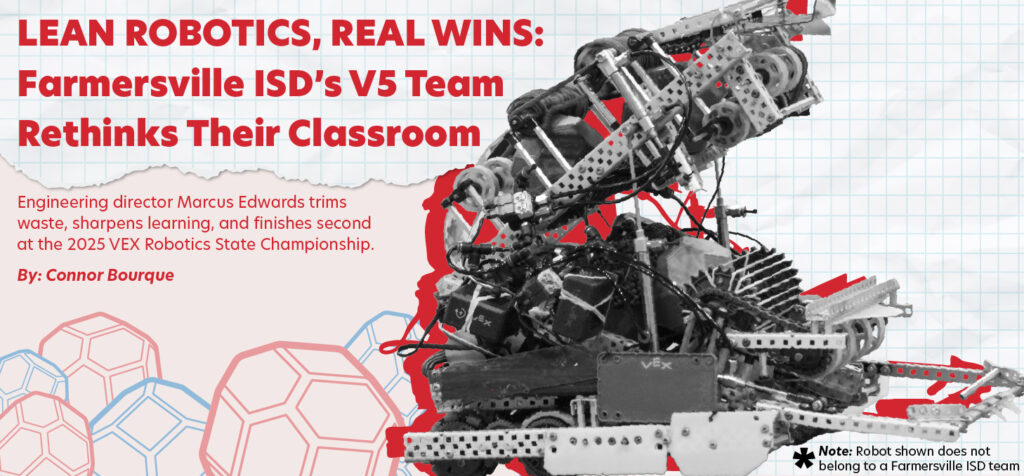
FARMERSVILLE, Texas – Nestled amidst the farmlands of North Texas is a grocery store turned learning space and workshop for STEM students. The Farmersville Independent School District Engineering Academy, run by Marcus Edwards, the district’s director of engineering, is a safe and effective learning environment for students to not only further their STEM education through hands-on experiences in robotics but also gain certifications in machining and other STEM areas. Along with furthering overall STEM education in Farmersville ISD, Edwards has built a successful VEX V5 robotics program through an efficiency-focused business philosophy as a teaching method.
Under Edwards’ guidance, the Farmersville ISD robotics program has flourished, recently securing a second-place finish at the 2024-25 University Interscholastic League 4A State VEX Robotics Championships. One of his keys to success, Edwards said at the district’s engineering academy, is the “Lean” system.
According to an article by Nawras Skhmot, a Norwegian civil engineer and entrepreneur, the system is a philosophy focused on boosting efficiency by streamlining processes and maximizing resources. This approach enhances productivity and promotes a more efficient operational footprint. The philosophy is built on empowering individuals, which Skhmot noted is “based on the idea of showing respect for people.”
At the academy, the Lean system, alongside the spirit of student-centered learning inherent in VEX V5 Robotics Competitions, empowers students to create their own designs and cut their own materials. This is achieved through a verification process where Edwards and his staff ensure students draw designs properly, measure correctly, and safely cut the required material. Edwards said this system has streamlined the academy’s operational footprint to less than “a five-gallon bucket” because “it’s all in the process you use.”
The Lean system is one of the most important tips Edwards has for building a successful program. He said its implementation has proven effective in robotics programs across all demographics, from low- to high-income areas, making it a vital part of any program looking to increase efficiency. Edwards has implemented this system successfully in several schools across the state of Texas.
By focusing on process, the system has increased student confidence and led to the team’s competitive success, all while creating a more efficient operational footprint.
“The system works,” Edwards said.
Explore More: Extend the Learning
Learn more about Lean:
Share this on social media:

VEX AIM Activity: Soccer Practice
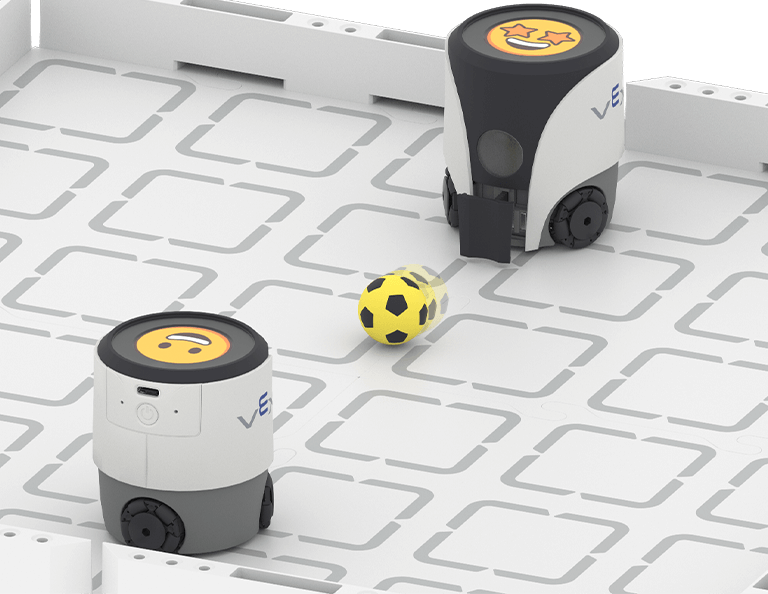
Get ready for a friendly match of robot soccer! In this collaborative activity, you’ll work with another group to code two VEX AIM robots to pass a sports ball back and forth. This exercise will challenge your coding and problem-solving skills as you program the robots to communicate and work together as a team. Can you create a seamless passing sequence and keep the rally going?
Click here to learn more!
Share this on social media:
VEX AIM Activity Send and Receive
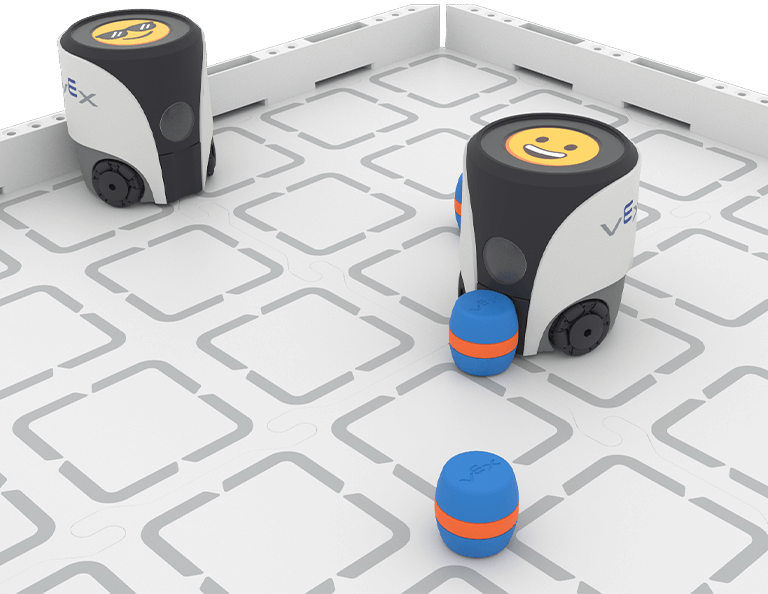
Team up with another group for a robotic challenge of communication and coordination. In this activity, you’ll code two VEX AIM robots to work together to clear barrels from the field. One robot, the “Sender,” will use AI Vision to spot the barrels and signal its partner, the “Getter,” to spring into action and remove them. This project will put your coding and collaboration skills to the test as you create a seamless robotic duo.
Click here to learn more!
Share this on social media:
From VEX AIM robots that talk to each other to students who build their own understanding, the future of STEM is about making connections. We’re proud to share these tools and stories to support the incredible work you do. If this issue of Drive Forward News sparked an idea, we’d love to hear about it. Until next time, keep building forward.
Here’s what we covered in the last edition of Drive Forward News: